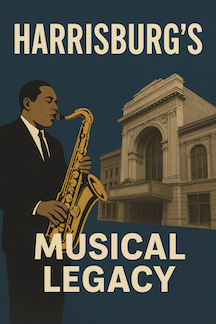
From Jazz Legends to Modern Revival
When most people think of Harrisburg, Pennsylvania, the first things that come to mind might be government, history, or the Susquehanna River. But tucked into this capital city is a surprisingly rich and colorful musical history—one that stretches from the days of jazz greats like Duke Ellington to the symphonic grandeur of the Harrisburg Symphony Orchestra, and right into today’s thriving live-music scene.
A Jazz Stop on the Tour
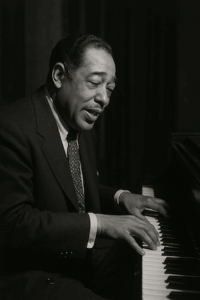
Back in the mid-20th century, Harrisburg was more than just a dot on the map for touring musicians. The city had a vibrant nightlife with venues like the Madrid Ballroom, the Coliseum, and the Hi-Hat, where jazz giants including Duke Ellington and Dizzy Gillespie once performed.
But segregation shaped this story, too. Black artists who couldn’t stay in downtown hotels often found refuge at the Jackson Hotel in the city’s 7th Ward. That little hotel became a hub for some of the greatest musicians of its day—an overlooked but powerful reminder of Harrisburg’s place in the jazz world.
The City’s Classical Heartbeat
While jazz was swinging downtown, Harrisburg was also building a reputation for classical music.
- The Harrisburg Choral Society, founded in 1895, is still going strong more than a century later.
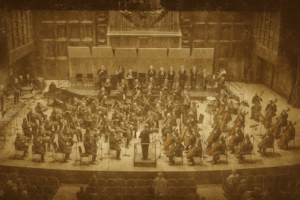
- The Harrisburg Symphony Orchestra gave its first concert in 1931 and has been performing in the magnificent Forum Auditorium ever since.
Stages of the Past
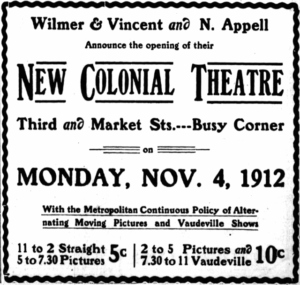
Music in Harrisburg wasn’t just about concert halls. The Colonial Theatre, first built in the 1830s and remodeled in 1912, hosted vaudeville and musical acts for decades. Though closed since 1976, its presence reminds us that live performance has always had a home here.
Festivals on the Riverfront
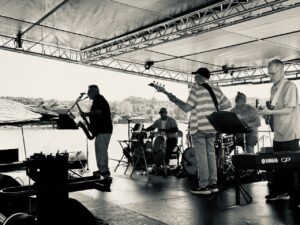
Harrisburg has long celebrated music in the open air. For years, the July 4th American MusicFest drew tens of thousands of people to Riverfront Park and City Island for concerts under the fireworks. Today, that spirit continues through ArtsFest, the Central Pennsylvania Jazz Festival, and Kipona—events that turn the city into a stage.
The Revival: A City That Still Sings
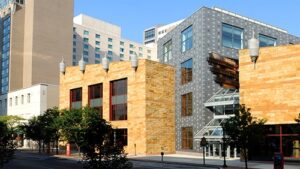
By the early 2000s, Harrisburg’s music scene was reborn. H·MAC (Harrisburg Midtown Arts Center) transformed a historic building into a multi-venue performance space. Whitaker Center brought Broadway shows and live concerts to downtown. And thanks to partnerships with Harrisburg University, touring bands and emerging artists now make Harrisburg a regular stop.
Walk through Midtown or Downtown today and you’ll find jazz jams, indie shows, and gospel choirs filling bars, churches, and theaters alike. Harrisburg isn’t just remembering its musical past—it’s still writing it.
Why It Matters
Harrisburg’s story is proof that music is more than entertainment—it’s community, resilience, and identity. From jazz legends who once stopped here to the voices still echoing in churches and clubs, this city has always had rhythm. You just need to know where to listen.
✨ So the next time you walk along the Susquehanna, imagine the sounds that have passed through this city—the brass of Ellington, the harmonies of Mendelssohn, the cheers from a festival crowd. Harrisburg has always been more musical than you might think.
Planning an Event or Ready to Learn?
Jeremiah Williams provides live acoustic guitar and vocals for weddings, private events, and venues throughout South Central Pennsylvania, with travel available. He also offers personalized guitar lessons through B.E. Music Lab.
Sean says:
Nice. Not surprising with its location that it was a jazz hub. I’ve played in 2 bands with a bassist from Harrisburg: he used to play with another guitarist from Harrisburg who was pretty talented & is now a respected Musicologist. There must be something in the water.