Hiring live music should feel exciting, not mysterious. Whether you are planning a wedding, private party, restaurant evening, corporate gathering, or community event, a professional acoustic musician will guide you through a few practical decisions before the first note is played. Here is what the process usually looks like—and what you can do to make it smooth.

The First Conversation

The musician will begin with the essentials: your date, location, event type, preferred performance time, and the atmosphere you want to create. Share what matters most to you. A relaxed cocktail hour, an intimate ceremony, and an upbeat restaurant set require different pacing even when the same voice and guitar are involved.

Availability and the Scope of the Performance

Once the basics are clear, you can discuss how long the musician will perform and whether music is needed in more than one location. For example, a wedding may have a ceremony in one area and cocktail hour in another. A venue may want several sets with breaks. Defining the scope early helps everyone plan the schedule, setup, and equipment.

Repertoire and Special Songs

You can expect a conversation about musical style, audience, and any meaningful requests. Rather than trying to choose every song, give the musician a sense of your taste and the feeling you want. If you have a must-play selection, mention it early. Song titles such as “Lovely Day” or “Have You Ever Seen the Rain” should be discussed as arrangements, because a solo acoustic performance can give familiar music a more personal character.

A Clear Agreement

Before the event, the important details should be written down: date, venue, performance times, setup expectations, payment terms, and any special requests. Read the agreement and ask questions before signing. Clear communication protects both you and the performer and prevents confusion later.

Venue and Equipment Details

An acoustic performance may be simple, but it still benefits from planning. The musician may need a safe power source, a level performance area, shelter from rain or direct sun, and enough access time to load in and test sound. Ask the venue about sound limits and where the performer can park. If the event moves between spaces, discuss that in advance.

Planning the Timeline

Provide the latest event timeline and the name of a day-of contact. The musician should know when guests arrive, when announcements or speeches occur, and whether any part of the schedule is flexible. For weddings, coordination with the planner, venue, or officiant is especially helpful.

Setup and Sound Check

On the event day, the musician will arrive before the performance to set up and make sure the volume suits the room. This is one reason accurate access information matters. A smooth load-in gives the performer time to solve small technical issues before guests are present.

During the Performance

A professional musician does more than follow a song list. They watch the room, adjust the energy, protect important transitions, and keep the music at a comfortable level. At a private event, that might mean leaving space for conversation. At a venue, it may mean building momentum as the room fills.

What You Should Have Ready

  • The confirmed date, address, and performance location
  • Arrival, setup, and performance times
  • A venue or event contact
  • Power and weather information
  • Any must-play songs or important cues
  • Changes to the schedule as soon as they happen

The Goal: Music That Feels Effortless

Most of the work happens before guests arrive. When the date, setting, timeline, and musical direction are clear, the performance can feel natural and easy. That preparation allows everyone—including you—to be present and enjoy the event.

Planning an Event or Ready to Learn?

Jeremiah Williams provides live acoustic guitar and vocals for weddings, private events, and venues throughout South Central Pennsylvania, with travel available. He also offers personalized guitar lessons through B.E. Music Lab.
Check Performance Availability Explore Guitar Lessons

Live music can turn a wedding from a schedule of events into a shared experience. The right performer helps guests feel the emotion of the ceremony, relax during cocktail hour, and stay connected through the quieter moments of the day. If you are planning a wedding in Harrisburg, Hershey, Lancaster, York, Carlisle, or elsewhere in South Central Pennsylvania, these practical questions will help you choose well.

Decide Where Live Music Matters Most

Start by identifying the moments that need atmosphere. A solo acoustic musician can welcome guests as they arrive, accompany the processional and recessional, provide a warm backdrop during cocktail hour, or create an intimate dinner set. You may want live music for one part of the day or several. Knowing the role you want the music to play makes it easier to choose the right performer.

Match the Music to the Space

A historic inn, outdoor garden, church, restaurant, and hotel ballroom each sound different. Ask whether the musician has worked in a space like yours and what equipment will be needed. An experienced performer should be able to keep the music present without overwhelming conversation and adapt to both indoor and outdoor conditions.

Talk About the Songs That Matter to You

You do not need to arrive with a complete playlist. Share a few songs, artists, or styles that feel like you as a couple. If a particular song is important for the aisle, first dance, or another special moment, mention it early so there is time to discuss the arrangement. A good musician will also help you choose songs that work naturally on the instrument and fit the mood of each part of the day.

Ask How Requests Are Handled

Some couples want a carefully planned set; others prefer to give the performer room to read the crowd. Both approaches can work. Ask how far in advance special requests are needed and whether there are any songs or styles the musician does not perform. Clear expectations make the result feel personal without creating last-minute surprises.

Plan for Sound, Power, and Weather

For outdoor weddings, confirm access to safe power and a covered performance area. Discuss the venue’s sound limits, rain plan, setup access, and the distance between the performance area and parking. These details are not glamorous, but they protect the music—and your timeline—from avoidable problems.

Look for Someone Who Can Read the Room

Wedding music is not only about playing the right notes. The performer needs to notice when guests are arriving, when a conversation or toast needs space, and when the energy should lift. Reliability, communication, and a calm presence matter just as much as repertoire.

Questions to Ask Before Booking

  • Are you available for our date, location, and preferred time?
  • What parts of the wedding day do you usually perform?
  • Can you learn a meaningful song for us?
  • What equipment and power do you need?
  • How much setup time is required?
  • What is your plan for outdoor weather?
  • What information do you need from our venue or coordinator?

A Simple Final Test

When you listen to a performer, imagine hearing that voice and instrument while the people you love gather around you. If the sound feels honest, welcoming, and right for the setting—and the communication feels dependable—you are probably close to the right choice.

Planning an Event or Ready to Learn?

Jeremiah Williams provides live acoustic guitar and vocals for weddings, private events, and venues throughout South Central Pennsylvania, with travel available. He also offers personalized guitar lessons through B.E. Music Lab.
Check Performance Availability Explore Guitar Lessons

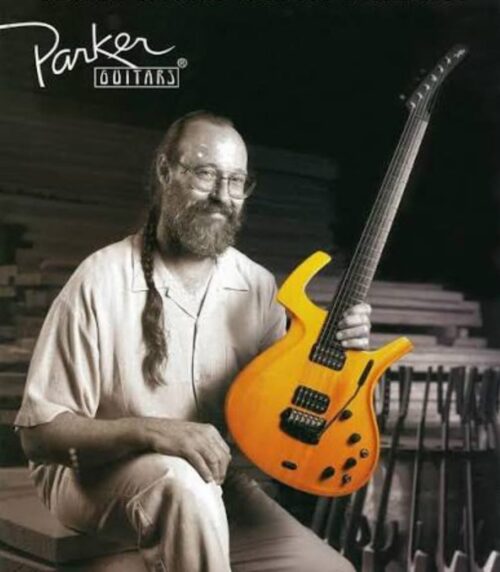
Ken Parker


Few luthiers have ever pushed the limits of design and sound like Ken Parker — a man whose imagination forever changed the way guitars are built and played.

Born in 1952, Parker spent his life merging craftsmanship, science, and art in pursuit of one goal: to create instruments that truly disappear in the player’s hands. His passing on October 5, 2025, marks the end of an era for guitar innovation — but his influence will continue to shape music for generations.


The Parker Fly: A Revolution in Wood, Steel, and Carbon Fiber

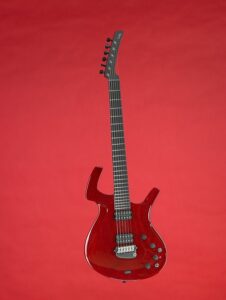
Parker Fly Guitar
Photo courtesy of the Smithsonian National Museum of American History

In 1993, Parker introduced the now-legendary Parker Fly, a groundbreaking electric guitar that fused traditional tonewoods with advanced composite materials.

The Fly stunned the industry with:

  • A composite exoskeleton over a wooden core
  • Stainless steel frets bonded to the fingerboard
  • Piezo pickups for rich acoustic tones
  • Ultra-light weight, often under 5 pounds
  • Active electronics and a sleek, ergonomic neck

The result was a guitar that played with almost supernatural ease. It looked futuristic, felt effortless, and sounded like nothing else on the planet. The Parker Fly became an instant icon, earning fans among players who demanded both performance and precision.


Parker Archtops: Where Art Meets Engineering

After selling Parker Guitars, Ken turned his attention to acoustic design. His Parker Archtops took the same fearless creativity and applied it to the jazz world.

Each instrument was hand-built using violin-like principles, responsive tonewoods, and modern composites for excellent balance and sensitivity. One of these guitars now resides in the Metropolitan Museum of Art, standing not only as a masterpiece of luthiery but as a work of art in its own right.


A Mind Without Limits

Ken Parker’s philosophy was simple yet profound: build guitars that serve the music. He believed an instrument should feel so natural that it disappears, leaving only the player and the sound.

That idea inspired a generation of modern builders — from boutique archtop makers to ergonomic innovators. Even today, guitarists continue to chase the fluidity and lightness that Parker made real more than 30 years ago.


Personal Reflection: A Memory with Ken

Ken’s influence extends beyond his instruments — he’s left lasting impressions on those who’ve had the privilege to know him. The following story, shared by Bob Martin, captures Ken’s unique blend of craftsmanship, intuition, and heart.

Shared by Bob Martin

One time Ken and I were in Boston, at the museum that has one of his guitars. He was giving a lecture, and I was sitting behind him, trying my best to demonstrate what he was talking about. Later, we went back to his place, and I had another Fly with me that had a bent pot. I told Ken I’d been trying to straighten it with pliers and a screwdriver. He said, “Here, here, give me it.”

Ken took the Fly out of the case, set the guitar on a tree stump, went into the shed, and came back with a full-sized axe. He walked up to the guitar as if he were about to split it in half. Then, gently, he lowered the axe down onto the shaft of the pot, checked the alignment, and eased the axe into the opening. It was perfect — absolutely perfect. That’s Ken.

“Anyway, I miss you, buddy, and I love you.” — Bob Martin


Legacy

Ken Parker was more than a designer. He was a dreamer who saw potential in every piece of wood and wire. His guitars — from the Fly to his archtops — remind us that innovation and artistry can coexist beautifully. His passing is a loss, but his spirit hums in every note played on one of his creations.

To support the memorial and help honor Ken’s legacy, you can contribute here:

GoFundMe: Celebrating the Life and Legacy of Ken Parker


Planning an Event or Ready to Learn?

Jeremiah Williams provides live acoustic guitar and vocals for weddings, private events, and venues throughout South Central Pennsylvania, with travel available. He also offers personalized guitar lessons through B.E. Music Lab.
Check Performance Availability Explore Guitar Lessons

Written by Jeremiah Williams — musician, performer, and luthier enthusiast. 


Pennsylvania has shaped musicians across rock, punk, jazz, blues, and indie music. The state’s guitar story is bigger than one style—and it is strongest when the players on the list have a genuine Pennsylvania connection. Here are five guitar voices whose roots in the Commonwealth are clear and whose work offers something useful to every developing musician.

Joan Jett — Wynnewood

Born in Wynnewood, Joan Jett became one of rock’s most recognizable singers, songwriters, and rhythm guitarists. Her playing proves that a part does not have to be complicated to be powerful. Strong time, conviction, and a memorable chord pattern can carry an entire song.

Tommy Conwell — Philadelphia Area

Born in East Falls and raised in Bala Cynwyd, Tommy Conwell broke through from the Philadelphia club scene with Tommy Conwell and the Young Rumblers. His energetic blend of blues and rock is a reminder that phrasing and stage presence are connected: the notes matter, but so does the way they are delivered.

Kevin Eubanks — Philadelphia

Philadelphia-born Kevin Eubanks is a jazz guitarist and composer known to a broad audience through his years leading the band on “The Tonight Show.” His distinctive fingerstyle approach shows how harmony, rhythm, tone, and improvisation can work together without losing the personality of the player.

Kurt Vile — Lansdowne

Kurt Vile grew up in Lansdowne and became a central voice in Philadelphia indie rock. His guitar parts often use repetition, texture, open space, and relaxed phrasing to build atmosphere. It is a useful lesson for songwriters: the guitar can create a world around a vocal without crowding it.

Bret Michaels — Butler and Mechanicsburg

Bret Michaels was born in Butler and raised in Mechanicsburg. He is best known as Poison’s frontman and a songwriter, but guitar has also been part of his work onstage and in acoustic performances. Songs such as “Every Rose Has Its Thorn” show how a straightforward progression and a strong story can connect with a very large audience.

What Pennsylvania Players Can Teach Us

These musicians do not sound alike, and that is the point. Joan Jett’s direct rhythm playing, Tommy Conwell’s blues-rock energy, Kevin Eubanks’s harmonic depth, Kurt Vile’s textures, and Bret Michaels’s songwriting each highlight a different path. Good guitar playing is not about copying one hero. It is about learning the skills that help your own musical voice come through.

For students, the most useful starting point is often a song you already care about. From there, lessons can build rhythm, chord vocabulary, lead playing, ear training, and confidence in a way that feels connected to real music rather than isolated exercises.

Sources include the artists’ official biographies and published profiles from Kevin Eubanks, Tommy Conwell, Kurt Vile, Joan Jett, and Bret Michaels.

Planning an Event or Ready to Learn?

Jeremiah Williams provides live acoustic guitar and vocals for weddings, private events, and venues throughout South Central Pennsylvania, with travel available. He also offers personalized guitar lessons through B.E. Music Lab.
Check Performance Availability Explore Guitar Lessons

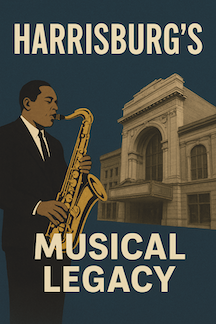
Harrisburg's Musical Legacy

From Jazz Legends to Modern Revival

When most people think of Harrisburg, Pennsylvania, the first things that come to mind might be government, history, or the Susquehanna River. But tucked into this capital city is a surprisingly rich and colorful musical history—one that stretches from the days of jazz greats like Duke Ellington to the symphonic grandeur of the Harrisburg Symphony Orchestra, and right into today’s thriving live-music scene.


A Jazz Stop on the Tour

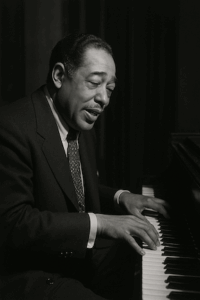
Back in the mid-20th century, Harrisburg was more than just a dot on the map for touring musicians. The city had a vibrant nightlife with venues like the Madrid Ballroom, the Coliseum, and the Hi-Hat, where jazz giants including Duke Ellington and Dizzy Gillespie once performed.

But segregation shaped this story, too. Black artists who couldn’t stay in downtown hotels often found refuge at the Jackson Hotel in the city’s 7th Ward. That little hotel became a hub for some of the greatest musicians of its day—an overlooked but powerful reminder of Harrisburg’s place in the jazz world.

Duke Ellington at Piano

Jazz legend Duke Ellington—who once played Harrisburg.

The City’s Classical Heartbeat

While jazz was swinging downtown, Harrisburg was also building a reputation for classical music.

  • The Harrisburg Choral Society, founded in 1895, is still going strong more than a century later.
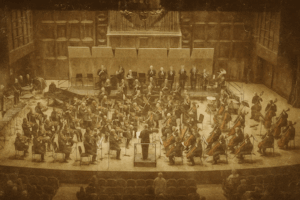
  • The Harrisburg Symphony Orchestra gave its first concert in 1931 and has been performing in the magnificent Forum Auditorium ever since.

orchestra

The Forum Auditorium: home of the Harrisburg Symphony Orchestra.

Stages of the Past

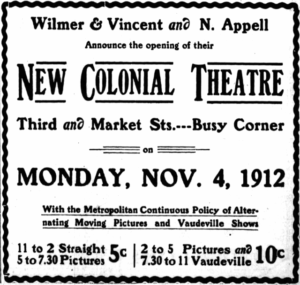
Music in Harrisburg wasn’t just about concert halls. The Colonial Theatre, first built in the 1830s and remodeled in 1912, hosted vaudeville and musical acts for decades. Though closed since 1976, its presence reminds us that live performance has always had a home here.

Historic Colonial Theatre in Harrisburg

The long-closed Colonial Theatre remains part of Harrisburg’s cultural memory.

Festivals on the Riverfront

Harrisburg has long celebrated music in the open air. For years, the July 4th American MusicFest drew tens of thousands of people to Riverfront Park and City Island for concerts under the fireworks. Today, that spirit continues through ArtsFest, the Central Pennsylvania Jazz Festival, and Kipona—events that turn the city into a stage.

Jazz Band LaCucina
Marco Marcinkos Latin Jazz Quintet      Tom Hamilton, Ruben Ariola, Paul Rostock, Marko Marcinco, Tom Kozic. 


Riverfront Park, where Harrisburg festivals still bring music to the city.

The Revival: A City That Still Sings

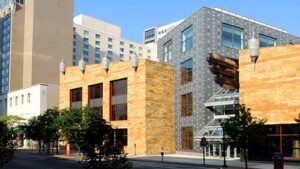
By the early 2000s, Harrisburg’s music scene was reborn. H·MAC (Harrisburg Midtown Arts Center) transformed a historic building into a multi-venue performance space. Whitaker Center brought Broadway shows and live concerts to downtown. And thanks to partnerships with Harrisburg University, touring bands and emerging artists now make Harrisburg a regular stop.

Walk through Midtown or Downtown today and you’ll find jazz jams, indie shows, and gospel choirs filling bars, churches, and theaters alike. Harrisburg isn’t just remembering its musical past—it’s still writing it.

Whitaker Center

The Whitaker Center: blending science, art, and live music.

Why It Matters

Harrisburg’s story is proof that music is more than entertainment—it’s community, resilience, and identity. From jazz legends who once stopped here to the voices still echoing in churches and clubs, this city has always had rhythm. You just need to know where to listen.

✨ So the next time you walk along the Susquehanna, imagine the sounds that have passed through this city—the brass of Ellington, the harmonies of Mendelssohn, the cheers from a festival crowd. Harrisburg has always been more musical than you might think.

Planning an Event or Ready to Learn?

Jeremiah Williams provides live acoustic guitar and vocals for weddings, private events, and venues throughout South Central Pennsylvania, with travel available. He also offers personalized guitar lessons through B.E. Music Lab.
Check Performance Availability Explore Guitar Lessons

Guitar lessons are now at B.E. Music Lab

This is an archived guitar resource. For current lessons and learning resources from Jeremiah Williams, visit B.E. Music Lab.

Looking to hire Jeremiah for live music? Inquire about a performance.

Jeremiah Williams in Studio

What Key Is This Song In?

“Sweet Child Of Mine” by Guns and Roses

What key is “Sweet Child Of Mine” by Guns and Roses?

Well the sheet music says D, however, the notes of a D scale include a C# and the song has a C in the chord progression how does one understand how to communicate to your band what key the song is in?

This seem to spell out G major, but this is not what the ear hears. The ear hears a pull to D. How’s that possible? Let’s take a deeper look.

How could such a simple 3 chord progression cause so much confusion? Let’s take “Sweet Child of Mine” by GNR. The verse goes D Major – C Major – G Major – D Major . To a lazy theorist, this seems like it’s all in the Key of G Major. But upon further investigation, this is not the whole story.

If we analyzed the song in G in Roman Numerals diction it is V IV I V. Yes, all the notes would fit, but playing a G Major scale (G Ionian mode) from G to G doesn’t quite fit the tonality closely enough.

Now let analyze the song in D Major. But wait, you say there is a C# in D and there exists a C in the Chord Progression. This stumped me a bit as well. But on further inquiry, I have found the answer.

If we analyze this in Roman Numerals, we get an ( I – bVii – IV – I ) progression in D Major. Wait? That doesn’t exist in any Diatonic chord progression, but yet in rock and roll music, it is fairly common, so there must be an answer as to why it sounds so awesome when it resolves to D Major.

If you said it’s a Plagal Cadence congratulations you are a not a lazy theorist. It definitely is a Plagal Cadence.
( IV – I ) But then how can you explain the C chord since D Major has a F# and C# so it obvious that a C chord wouldn’t belong diatonically they since it must be sharped?

According to my in-depth sources, it is considered a double Plagal Cadence. This is something I have not yet come across although I have been playing the song for 20 years. I thought it was in G Major my whole life. Why not?

After All, the notes of G Major do fit properly over the chords. But it doesn’t resolve to G, it resolves to D. And the answer to the 10 million dollar question is this:

The C Major chord is an ( IV/IV ) which in layman’s terms means it’s a 4 of a 4 chord. So to re-analyze correctly in the key of D. We have an ( I – IV/IV – IV – I ) progression.

Therefore to solo over this progression, one simple answer would be to use the D Mixolydian mode from D to D because it contains the following notes ( D, E, F#, G, A, B, C ).

Most importantly the ear should be the final say in these situations and you can hear the song pulling to the D.

Enjoy the song in a new light if you haven’t already. To me. It’s one of the coolest songs ever written.

So what key is Lynrd Skynrd’s “Sweet Home Alabama in?” Lol

– JW